10 Proven Tips to Win at Online Slots in 2026
Bankroll Management
Smart Bankroll Management Tips to Win at Online Slots
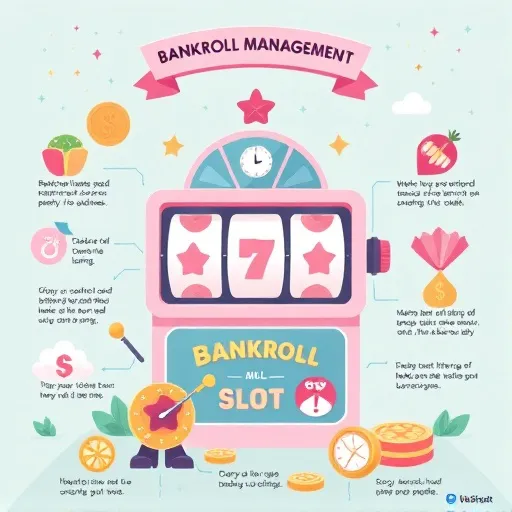
Alright, let’s be real for a second—walking into the world of online slots without a solid bankroll management plan is like handing your wallet to a stranger and hoping for the best. It’s the single most important skill you can develop if you actually want to enjoy the game long-term and give yourself a fighting chance at walking away with something more than just stories. Smart bankroll management isn't about being boring; it's about being strategic. The first rule? Decide on a gambling budget before you even open the casino app. This isn’t just a vague "I’ll spend a little"—it’s a concrete, non-negotiable number that you can afford to lose completely. Think of it as the price of your entertainment, not an investment. Once that number is set, break it down into smaller gambling loss limits for each session. For example, if your monthly entertainment budget is $300, don't blow it all in one sitting. Divide it by four weeks, then by the number of sessions you plan to have. That gives you a per-session cap—say, $25 or $50. When that session amount is gone, you’re done for the day. No exceptions, no "just one more spin" to chase a loss. That’s how responsible gambling actually works in practice, not just in theory.
Now, here’s where most players trip up: they ignore the volatility and Return to Player (RTP) percentages when allocating their bankroll. If you’re playing a high-volatility slot with a massive progressive jackpot, you’re looking at long dry spells punctuated by occasional big wins. That means your bankroll needs to be large enough to survive those dry stretches—otherwise, you’ll run out of funds before the game even has a chance to pay out. On the flip side, low-volatility games with a high slot payout percentage (think 96% RTP or higher) will give you frequent, smaller wins, which means you can stretch a smaller bankroll much further. A smart move is to split your session budget: maybe 70% goes to medium-volatility video slots with solid RTP, and 30% to a Megaways slot or progressive jackpot game for that lottery-ticket thrill. This way, you’re not betting your entire entertainment fund on a one-in-a-million shot. You’re also respecting the house edge—every slot is designed to favor the casino over time, so your goal isn’t to beat the math, but to maximize your playtime and enjoyment while keeping losses within your comfort zone.
Another key piece of the puzzle? Understanding wagering requirements before you even think about using casino bonuses or free spins. It’s easy to get dazzled by a “100% match bonus” or “50 free spins on classic slots,” but if the casino wagering requirements are 40x or 50x, that bonus can actually eat through your bankroll faster than if you’d just played with your own money. Here’s a quick tip: always read the terms. If a bonus requires you to wager your deposit plus the bonus amount 40 times, and you deposit $50, you’ll need to bet $4,000 before you can withdraw anything. That’s a huge ask for a $50 bankroll. So, either skip those high-wagering bonuses entirely or only take them if they come with a low multiplier (10x or less) and no cap on winnings. Alternatively, use free spins on high-RTP slots to test the waters without risking your own cash. But never treat free spins as a guaranteed win—they’re a marketing tool, not a money printer.
Let’s also talk about slot tournament strategy and casino rewards programs—two things that can stretch your bankroll without you even realizing it. If you’re playing in a slot tournament, your entry fee is your risk, but the prize pool is often funded by other players’ fees plus a casino contribution. The trick is to play aggressively early on to climb the leaderboard, but only if your bankroll can handle the rapid-fire spins. Don’t blow your entire budget in the first ten minutes of a tournament; instead, pace yourself and target games with the highest slot game features (like cascading reels or multipliers) to boost your score per spin. As for casino comps and rewards programs, always opt in. Many casinos offer cashback on losses, free play, or loyalty points that convert to bonus funds. Over a month, those comps can add up to a significant chunk of your bankroll—essentially giving you a discount on your gambling budget. Just make sure you’re not changing your betting behavior just to earn comps; that’s a slippery slope.
Finally, let’s bust a few slot machine myths that can ruin your bankroll. The biggest one? Believing that a machine is “due” for a win because it hasn’t hit a jackpot in a while. Every spin is independent, thanks to the Random Number Generator (RNG), so past results have zero effect on future outcomes. Another myth is that playing max bet increases your odds of winning. That’s only true if the game’s jackpot or top payout requires it—otherwise, you’re just risking more for the same odds. And please, don’t fall for the idea that you can “beat” a slot by timing your spins or using a special pattern. It’s pure chance, and anyone telling you otherwise is selling something. The best strategy is to set gambling deposit limits on your account (most reputable casinos let you do this in the settings), take breaks, and walk away when you hit your loss limit. If you ever feel like it’s getting out of hand, reach out for gambling addiction help—there are plenty of free resources and hotlines. Remember, the goal is to have fun, not to chase losses. A smart player knows that bankroll management is the only real edge you have in online slots, and it’s the difference between a fun hobby and a financial headache.
RTP and volatility g
High RTP Slots and Volatility: Winning Slot Machine Odds
Let’s be real for a second—when you’re diving into online slots, the two numbers that matter most are Return to Player (RTP) and volatility. These aren’t just nerdy stats for mathematicians; they’re your actual roadmap to understanding your odds and, more importantly, managing your bankroll like a pro. Think of RTP as the theoretical slot payout percentage over a massive number of spins. A high RTP slot—say, anything above 96%—means the house edge is slimmer, so you’re getting more of your wagers back over time. Now, that doesn’t guarantee you’ll win on any given session, but it absolutely tilts the odds in your favor compared to a low-paying game. In 2026, the market is flooded with video slots and Megaways slots boasting RTPs in the 97% range, so there’s no excuse to settle for anything less. But here’s the kicker: high RTP alone won’t save your session if you ignore volatility, which is essentially the risk meter of the game.
Volatility tells you how often and how big the wins are likely to land. Low volatility slots are your steady-Eddie games—they hit frequently, but the payouts are usually small, making them perfect for extended play and for stretching your deposit limits. High volatility slots, on the other hand, are the thrill-seekers’ playground. You might sit through hundreds of spins with nothing but near-misses, and then boom—a bonus round triggers and you’re looking at a 500x multiplier. That’s the classic trade-off: frequency versus magnitude. As a smart player in 2026, you need to match the game’s volatility to your personal risk tolerance and your session goals. If you’re working with a tight budget, chasing high volatility without a solid gambling budget plan is a recipe for a fast, frustrating exit. Instead, you’d want to pair a mid-to-high RTP with low or medium volatility to keep the action flowing. Conversely, if you’re hunting for that life-changing progressive jackpot, you’ll almost always be dealing with high volatility and a slightly lower base RTP—that’s the price you pay for the chance to hit a seven-figure prize.
Now, let’s talk about how to actually use these numbers to improve your winning slot machine odds. First, always check the game’s info screen or the casino’s game details tab before you spin. Trust me, most players skip this and just dive in, but that’s like driving without a map. In 2026, almost every reputable online casino lists the RTP and volatility right in the game description—so there’s zero excuse to be in the dark. Second, don’t be fooled by slot machine myths that claim certain times of day or specific betting patterns influence outcomes. The Random Number Generator (RNG) that powers every spin is completely independent and certified for fairness, so the outcome is pure chance. What you can control is your strategy: set a loss limit and a win goal before you start, and stick to them like glue. This is where responsible gambling comes into play—not just as a buzzword, but as a practical toolkit. Use casino deposit limits and session timers to keep yourself grounded, and always remember that the house edge is a long-term mathematical reality, not a temporary glitch.
Another angle to consider is how casino bonuses and free spins interact with these odds. A generous welcome bonus might give you 50 free spins on a high RTP slot, which sounds amazing—but you need to read the fine print. Casino wagering requirements can turn a seemingly great deal into a trap if you’re not careful. For example, a 35x wagering requirement on a high volatility slot means you’ll need to churn through a lot of play before any winnings become withdrawable. That’s why you should always prioritize bonuses that are low-wagering or even no-wagering, especially when playing high RTP slots. The goal is to maximize your effective value without getting tangled up in casino bonus terms that eat into your bankroll. And while we’re on the topic of bankroll management, never wager more than you’re comfortable losing in a single session. A common rule of thumb is to divide your total gambling budget into smaller sessions, each with a cap, so a bad streak doesn’t wipe out your entire monthly entertainment fund. This is also where slot tournament strategy can shine—in a tournament, you’re often playing against other players rather than just the house, so a high volatility slot might give you the leaderboard-boosting swings you need, while a low volatility game keeps you steady. Just remember, tournaments come with their own entry fees and prize structures, so factor those into your overall gambling budget.
At the end of the day, understanding high RTP slots and volatility isn’t about finding a secret loophole—it’s about making informed choices that align with your playing style and financial boundaries. Whether you’re into classic slots with their simple three-reel charm or the latest Megaways slots with 117,649 ways to win, the math is your friend. Use it to filter out the games that waste your time, and lean into the ones that give you a fighting chance. And if you ever feel the urge to chase losses or spend more than planned, that’s your cue to step back and access gambling addiction help resources. The best slot machine odds in the world mean nothing if you’re not playing responsibly. So, check those payout percentages, embrace the volatility that fits your vibe, and remember: the house edge is always there, but your strategy can keep you in the game longer and, just maybe, land you that sweet jackpot.

Progressive vs class
Progressive Jackpots vs Classic Slots: Casino Bonus Terms
Alright, let’s get real about the biggest fork in the road when you’re picking an online slot: should you chase that life-changing progressive jackpot, or stick with the steady, familiar rhythm of a classic slot? This choice isn’t just about personal preference—it’s deeply tied to how casino bonuses and their terms actually work. And in 2026, with wagering requirements getting stricter and slot game features more complex, you really can’t afford to ignore the fine print.
First, let’s break down the core difference in how these two types of games treat your bankroll. Classic slots—think three reels, a handful of paylines, and simple symbols—usually have a higher Return to Player (RTP) percentage. We’re talking 96% or even 97% on a good day. That means for every $100 you wager, the theoretical payback is $96 or $97 over the long run. Progressive jackpots, on the other hand, often have a lower base RTP, sometimes dipping to 88% or 90%, because a tiny slice of every wager feeds the growing jackpot pool. That’s the trade-off: you’re accepting a lower slot payout percentage in exchange for the tiny, thrilling chance to hit a seven-figure sum. For responsible gambling, you’ve got to ask yourself: is the dream worth the extra house edge you’re facing on every spin?
Now, here’s where casino bonus terms get sneaky. Let’s say you claim a welcome offer with 50 free spins on a specific slot. Nine times out of ten, that slot is a classic or a medium-volatility video slot, not the progressive network. Why? Because casinos know that progressives have a higher volatility and a lower RTP, which makes it harder for you to meet the wagering requirements before your bonus funds turn into cash. In 2026, many operators have also started excluding progressive games from bonus eligibility entirely. If they do let you play a jackpot game with bonus money, you might see a low contribution rate—like 20% or 30% toward the playthrough. That means if you wager $100 on a progressive, only $20 to $30 counts toward your rollover. That’s a massive hidden trap for players who don’t read the casino bonus terms carefully.
Let’s talk about slot machine odds and how they interact with bonuses. A classic slot with low volatility will give you frequent, smaller wins. That’s your friend when you’re trying to clear a bonus. You’ll extend your playtime, hit more paylines with smaller bets, and slowly chip away at the wagering requirement. In contrast, a progressive jackpot is designed to drain your balance over long stretches of dead spins, punctuated by a rare bonus round. If you’re using a bonus with a 35x wagering requirement and you’re on a slow-burning progressive, you’ll likely bust before you even get close to the playthrough. That’s why bankroll management becomes your most critical tool here. Set a gambling budget that treats the bonus chase as a separate pool of money—not your main play funds.
Another angle to consider is slot tournament strategy. If you’re entering a tournament, classic slots or high-RTP megaways slots are often the smarter play because they keep your balance healthy for longer, letting you accumulate more points. Progressives are a terrible choice for tournaments because their high volatility means you could go on a 30-spin dry streak while others rocket up the leaderboard. And in 2026, with slot tournaments becoming more competitive and prizes more generous, you can’t afford a strategy that’s all hope and no math.
Now, about those casino wagering requirements specifically for progressive wins. Here’s a scenario that trips up a lot of players: You hit a modest jackpot of $2,000 on a progressive while playing with a bonus. The casino might cap your winnings from bonus play at a certain amount, like $500 or $1,000, and forfeit the rest. That’s a brutal but common clause in casino bonus terms. Always look for the "max cashout on bonus" line. In 2026, some top-tier casinos have started offering dedicated jackpot bonuses that don’t have this cap, but they come with higher wagering requirements and often require a deposit. So, weigh the trade-off: a lower cap with a low rolling requirement versus a higher cap with a 50x playthrough. Your gambling bankroll management skills will dictate which one is actually profitable for you.
Let’s also bust a slot machine myth: that progressives are "due" to hit. They aren’t. The Random Number Generator (RNG) in every modern slot, progressive or not, is completely independent on each spin. Hitting a jackpot doesn’t become more likely after a long dry period. That’s pure gambler’s fallacy. In fact, some progressives in 2026 use a "must-hit-by" feature where the jackpot is guaranteed to pay out by a certain amount. Those are smarter to chase with a bonus because you have a defined ceiling. But classic progressives? You’re just feeding the meter.
Finally, consider responsible gambling from a bonus terms perspective. If you’re using casino deposit limits and gambling loss limits as part of your strategy, understand that progressives will blow through those limits faster. The high house edge and volatility mean you’ll see bigger swings. So, if you’re on a tight budget, classic slots offer a more sustainable experience. You’ll get more spins, more entertainment, and a better chance at meeting your bonus’s playthrough. And if you ever feel the urge to chase a jackpot, set a strict gambling budget for it—like $50—and walk away if it doesn’t hit. In 2026, gambling addiction prevention tools are built into most reputable casinos, so use them. Don’t let a shiny jackpot number cloud your judgment. Choose the game that fits your bankroll, your bonus terms, and your personal comfort zone. That’s how you play smart, not just lucky.