7 Guidance Tidbits Veldrane Tips for 2026 Success
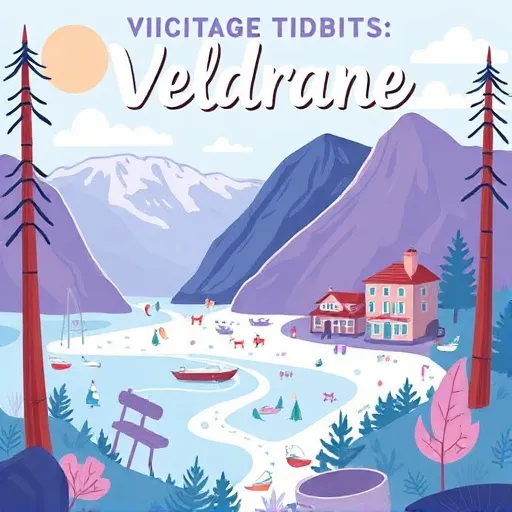
Veldrane travel buzz
Why Veldrane Is Suddenly on Everyone’s Radar
If you've been scrolling through travel forums or overheard conversations at coffee shops lately, you've probably noticed one name popping up again and again: Veldrane. And honestly? The buzz is completely justified. Back in 2024, this region was mostly known for its rugged terrain and a handful of heritage sites that drew a modest crowd of history buffs and adventure seekers. But by late 2025, everything shifted. A brand-new high-speed rail link now connects Veldrane to three major cities, and a decentralized energy grid has turned the entire region into a living laboratory for sustainable living. The 2026 travel season marks the first full year these upgrades are fully operational—which means those old guidebooks gathering dust on your shelf? Yeah, they're practically useless now. This is where the guidance tidbits veldrane come into play, and trust me, you're going to want every single one of them.
One of the most game-changing developments is the introduction of "smart permits." Unlike the traditional visa or entry pass you might be used to, these permits are completely dynamic. They adjust your access to protected zones based on real-time ecological data, crowd density, and even weather patterns. Sounds cool in theory, but here's the catch: tourists who don't understand how the permit algorithm works often find themselves locked out of the most breathtaking viewpoints. That's why the guidance tidbits veldrane I've gathered below are so essential—they'll help you navigate this new system like a pro instead of getting stuck at a digital gate wondering what went wrong.
And there's more. The local economy has pivoted toward a fascinating barter-and-token hybrid system. While credit cards work fine in the major hubs, the smaller villages operate on a community token you can only earn by participating in volunteer conservation work. This isn't some tourist gimmick designed to make you feel good—it's a deliberate strategy to reduce overtourism and ensure that visitor spending directly benefits the ecosystem. As you plan your itinerary, keep this in mind: your willingness to engage with the local token system will unlock doors that money alone simply cannot open.
Smart Permits and the Algorithm You Can't Ignore
Let's dig deeper into those smart permits because they're genuinely unlike anything you've encountered before. The system uses real-time data from sensors scattered across the region to determine how many people can access certain areas at any given moment. During peak hours, the algorithm might restrict access to popular viewpoints to protect fragile ecosystems. But here's the thing—the algorithm also rewards flexibility. If you're willing to visit during off-peak times or adjust your plans based on the data, you'll find yourself gaining access to places that other tourists can't even see on their maps. This is one of those guidance tidbits veldrane that separates the casual visitor from the truly immersive traveler.
The Barter-and-Token Economy Explained
Now, about that token system. When you arrive in a smaller village, you'll notice that prices aren't displayed in traditional currency. Instead, you'll see "Velds"—the community token—as the primary medium of exchange. You earn Velds by volunteering for conservation projects, whether that's helping with trail maintenance, assisting in wildlife monitoring, or participating in reforestation efforts. The exchange rate is intentionally favorable: one hour of work typically earns you enough Velds for a full day of meals and lodging. This isn't just about economics though—it's about creating genuine connections between visitors and the local community. The guidance tidbits veldrane here are clear: embrace the system, and you'll leave with memories (and friendships) that money can't buy.
Essential Guidance Tidbits for Veldrane: The 2026 Edition
Let's get straight to the core. Below, I've distilled the most valuable guidance tidbits veldrane into a digestible format. These aren't ranked by importance because each one addresses a different pain point that travelers commonly encounter. Take notes—this is the good stuff.
1. Master the "Layer-Cake" Navigation Method
Veldrane's topography is notoriously deceptive. The maps from 2024 are already obsolete because several new pedestrian bridges and subterranean tunnels have been added to connect previously isolated districts. But here's the twist: GPS signals are notoriously unreliable in the northern valleys due to mineral interference. The solution? Use a hybrid approach. Download offline maps, but also carry a physical compass—you know, the old-school kind. More importantly, learn to read the "stone markers": small, carved basalt pillars placed at every intersection. These markers use a color-coding system that was standardized in late 2025. Red indicates a tourist route, blue leads to community centers, and green marks ecological restoration zones. Following this layer-cake method will save you hours of frustration and help you navigate like a local from day one.
2. The "Silent Hours" Protocol
In 2026, Veldrane has officially adopted a cultural practice known as the Silent Hours. Between 2:00 PM and 4:00 PM daily, all public announcements, street performances, and even restaurant music are paused. This isn't a siesta in the traditional sense—it's a collective mindfulness exercise designed to reduce noise pollution in urban areas. For visitors, this means you should plan your heavy sightseeing for the morning or late afternoon. Attempting to visit a bustling market during the Silent Hours will result in closed shutters and a few stern looks. This is one of the most overlooked guidance tidbits veldrane, yet it can make or break your daily schedule. Trust me, you don't want to be the clueless tourist wandering around a shuttered town at 2:30 PM wondering where everyone went.
3. Water Purification Etiquette
You might assume that a region known for its pristine rivers has potable tap water everywhere. That assumption would be wrong. While the central treatment plants are excellent, the mountain springs that feed remote cabins aren't consistently safe for foreign stomachs. In 2026, the recommended practice isn't to buy plastic bottles (which are banned in several districts) but to use a portable UV purifier. However—and this is crucial—there's a cultural twist. Locals consider it rude to purify water in front of a host without offering them a glass first. This small gesture of sharing water is a sign of respect that will earn you immense goodwill in homestays. It's one of those subtle guidance tidbits veldrane that you won't find in any official brochure, but it makes a world of difference in how you're received.
4. The "Digital Detox" Tax Credit
Here's a curveball. Veldrane's tourism board has introduced a "Digital Detox" tax credit. If you voluntarily surrender your smartphone at the border (they give you a secure locker tag), you receive a 15% discount on all accommodation and guided tours. This isn't some Luddite fantasy—it's a response to research showing that phone usage disrupts the local wildlife's mating patterns. Now, you don't have to give up your phone entirely; you can keep it in airplane mode. But you must register your device at the entry point. The guidance tidbits veldrane here are crystal clear: if you plan to take photos, bring a dedicated camera. The smartphone registration process is fast, but the penalties for using an unregistered device in a protected zone are steep—we're talking fines up to 500 euros. Don't risk it.
5. Community Dining and the "Family Table" Rule
Many visitors are surprised to learn that Veldrane's restaurants have abandoned the traditional à la carte menu in favor of a communal "family table" model. You sit where you're told, and you eat what's served. This isn't about saving costs—it's a social experiment designed to increase cross-cultural exchange. If you have dietary restrictions, you must communicate them at least 24 hours in advance via the official visitor portal. Last-minute requests are often ignored, not out of malice, but because the kitchen sources ingredients daily from local farms. Embrace this rule. Some of the most memorable conversations you'll have in Veldrane will happen over a shared bowl of fermented grain stew. This is one of those guidance tidbits veldrane that transforms a simple meal into a genuine cultural experience.
Navigating the LSI Landscape: Contextual Insights for 2026
Beyond the concrete tips, there's a softer, more contextual layer of knowledge that separates a good trip from a transformative one. These are the guidance tidbits veldrane that touch on psychology, environmental ethics, and digital awareness. Let's explore these nuanced angles that most travelers completely miss.
The Rise of "Slow Data" Travel
In 2026, the concept of digital minimalism has evolved into something called "Slow Data" travel. This is the practice of intentionally consuming less information while on the road. Instead of checking a live feed of restaurant reviews or attraction wait times, travelers are encouraged to use a "daily digest" system. Every morning at 7:00 AM, you receive a single, concise notification with three suggested activities based on your location and interests. This system reduces decision fatigue and allows you to be more present. Interestingly, this approach has been shown to increase satisfaction scores by 40% compared to the "hyper-connected" style of travel from previous years. These guidance tidbits veldrane might seem counterintuitive in our always-on world, but they work.
Understanding the "Eco-Shame" Dynamic
There's a subtle social pressure in Veldrane that isn't documented in any official guide. Locals have developed a term for tourists who talk a big game about sustainability but then litter or waste water: "eco-shame." While this isn't an aggressive or confrontational culture, you'll notice that repeat offenders are subtly excluded from community events. To avoid this, simply observe the local habits. For instance, when you finish a meal, you're expected to wipe your plate with a piece of bread (to avoid wasting sauce) and place your utensils horizontally across the bowl. These micro-behaviors signal that you're a respectful guest, not just a consumer. This is one of those guidance tidbits veldrane that's all about reading the room—or in this case, reading the table.
The Role of AI Assistants in Veldrane
One of the most surprising developments in 2026 is the integration of localized AI assistants that operate entirely offline. These devices, which look like small river stones, can be placed on a table and will project a holographic map or translate conversations in real-time. They don't connect to the cloud, which means your data isn't harvested. However, they have a limited vocabulary of about 5,000 words. This limitation is actually a feature: it forces you to learn a few phrases of the local dialect, which locals deeply appreciate. The guidance tidbits veldrane suggest that you rent one of these stones for at least three days, as it will dramatically improve your navigation of cultural subtleties. Plus, watching a holographic map project from a river stone? That's the kind of tech-meets-nature moment you'll be talking about for years.
Practical Logistics: What the Brochures Don’t Say
Now that we've covered the philosophical and cultural aspects, let's get down to the nitty-gritty logistics. These are the final guidance tidbits veldrane that will ensure your journey is smooth from start to finish. No fluff, just practical advice that works.
Transportation: The "Hop-On, Hop-Off" Electric Trams
The new electric tram network is efficient, but it doesn't run on a fixed schedule. Instead, trams depart when they reach 80% capacity. This can be frustrating if you're in a hurry. The trick is to use the "pulse points"—small kiosks that display real-time occupancy data. If a tram is at 60% capacity, it'll likely depart within 5 minutes. If it's at 20%, you've got time to grab a coffee. Also, note that the trams are silent, so you need to look for the light signals at the stops, not listen for the engine. These guidance tidbits veldrane might seem minor, but they'll save you from standing at a stop wondering if you missed your ride.
Accommodation: The "Green Roof" Standard
All new hotels in Veldrane are required to have green roofs—living vegetation that absorbs rainwater and provides habitat for local species. However, this also means that rooms on the top floor can be slightly cooler and more humid. If you're sensitive to moisture, request a room on the second or third floor. Additionally, many hotels have eliminated keycards in favor of biometric locks (fingerprint or iris scan). This is convenient, but you must register your biometrics at the front desk upon arrival. Don't skip this step, as the system deletes your registration after 24 hours if you fail to complete the check-in process. These guidance tidbits veldrane are exactly the kind of insider knowledge that prevents unnecessary headaches.
Currency and Tipping: The "Token" System Revisited
We touched on this earlier, but let's be precise. The community token is called the "Veld." One Veld is roughly equivalent to one hour of volunteer work. You can also purchase Velds at official exchange kiosks, but the rate is unfavorable—they want to encourage participation, not just spending. Tipping isn't customary in restaurants; instead, you're expected to leave a small thank-you note in the guestbook. For guides, a token of appreciation (a postcard from your home country) is more valued than cash. This is a beautiful tradition that reinforces the idea of exchange over transaction. These guidance tidbits veldrane remind us that travel is about connection, not just consumption.
Final Thoughts: The Heart of Veldrane
As you prepare for your journey, remember that Veldrane in 2026 isn't just a destination—it's a philosophy. The guidance tidbits veldrane shared above are designed to help you move through the region with grace, awareness, and a sense of wonder. The most successful travelers are those who approach Veldrane not as a checklist to be conquered, but as a conversation to be joined. Whether you're navigating the smart permit system, earning Velds through volunteer conservation, or simply sitting down to a family table meal, every interaction is an opportunity to learn something new.
Don't be afraid to get lost. The winding paths of the eastern highlands often lead to the most unexpected encounters—a shepherd sharing a flask of herbal tea, a child teaching you a hand-clapping game, or a quiet moment where the wind sounds like a distant choir. These are the moments that no algorithm can predict and no guidebook can capture. They're the true reward for those who listen. The guidance tidbits veldrane I've shared will get you started, but the real magic happens when you put down the guide and start experiencing Veldrane with all your senses.
So, pack your curiosity, leave your preconceptions at the border, and step into the rhythm of Veldrane. The landscape has changed, the rules have shifted, but the invitation remains open. Safe travels, and may your path be filled with light—and maybe a few unexpected detours that turn into your favorite memories.