

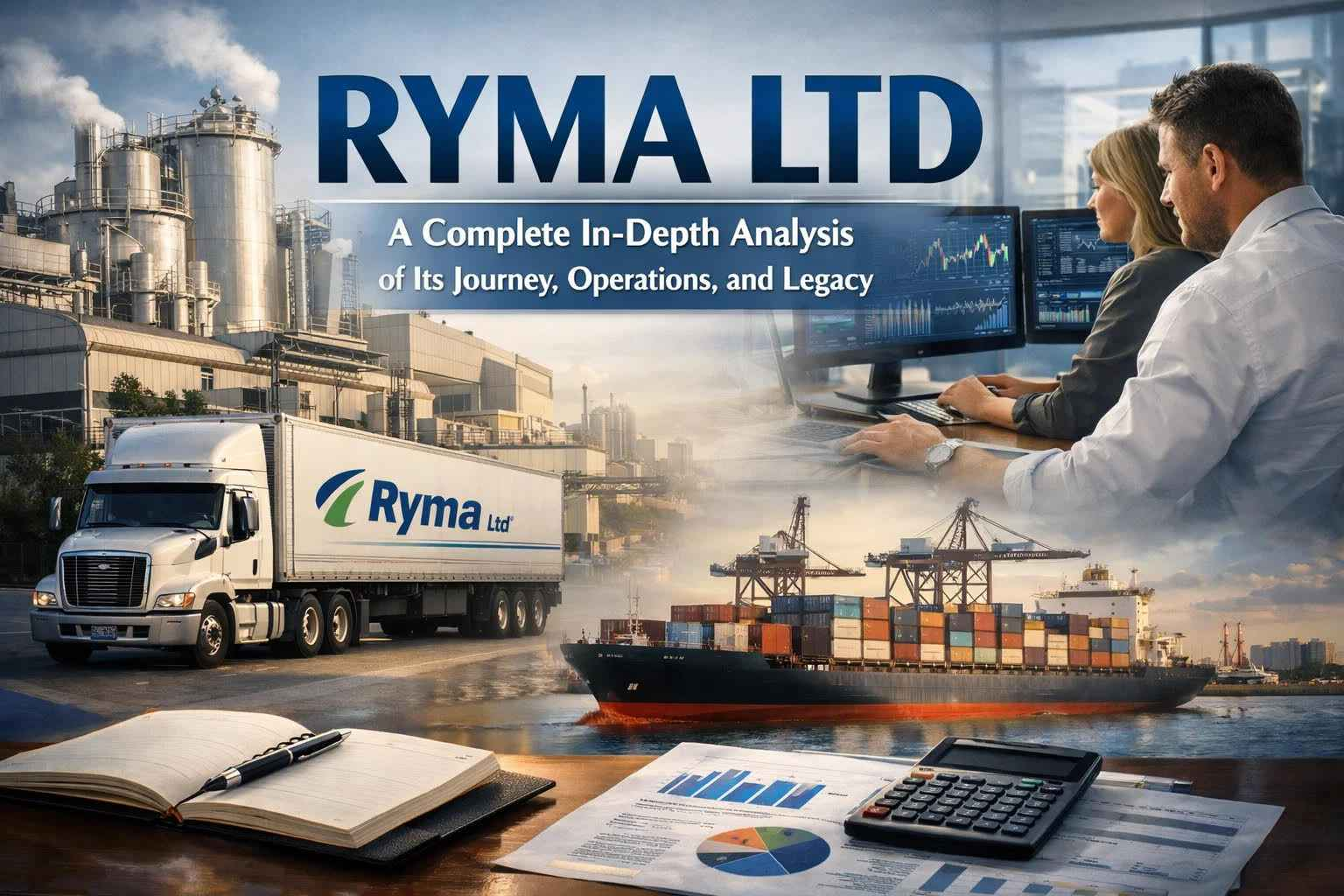
Ryma Ltd was a UK-registered private limited company involved in online retail through internet sales. Founded in 2019, it was dissolved in 2024 after a series of legal and operational challenges. Despite its short life, Ryma Ltd’s trajectory mirrors many e-commerce ventures—beginning with potential but ultimately dissolving due to financial and compliance struggles. This article explores its formation, business operations, challenges, and broader industry implications.
Introduction to Ryma Ltd
Ryma Ltd was a UK-based e-commerce business that operated under the legal structure of a private limited company. Incorporated in September 2019, the company specialized in retail sales via the Internet, falling under the UK’s SIC Code 47910. This classification indicates that Ryma Ltd’s primary business activity was related to internet-based retail, where goods were sold directly to consumers through digital platforms without physical retail locations.
Though Ryma Ltd’s exact product offerings are not publicly documented, the company’s legal filings point to its involvement in online retailing. The business journey of Ryma Ltd, which began with promising entrepreneurial intentions, ended with its dissolution in November 2024 through a compulsory strike-off process. This article will delve into the company’s history, operations, challenges, dissolution process, and key takeaways for small e-commerce businesses.
Legal Identity and Company Registration
Company Registration Details
-
Company Name: Ryma Ltd
-
Company Number: 12207042
-
Date of Incorporation: 13 September 2019
-
Registered Office: Dephna House, Launchese, 7 Coronation Road, London, NW10 7PQ, United Kingdom
-
Legal Status: Dissolved on 19 November 2024
The Companies House in the UK, where all businesses must be registered, lists Ryma Ltd as a private limited company. This legal structure offered the company a distinct advantage of limited liability, meaning that the shareholders were not personally responsible for the company’s debts beyond their initial investment.
However, the company faced significant operational and compliance challenges that eventually led to its dissolution.
Business Classification: SIC Code 47910
Ryma Ltd was classified under SIC 47910, which is a category for businesses engaged in retail sale via mail order houses or via the Internet. This SIC code includes any business primarily selling goods directly to consumers without a physical storefront. E-commerce companies typically use platforms like Shopify, Amazon, eBay, or their own websites to sell goods directly to customers.
The classification places Ryma Ltd squarely within the e-commerce industry, a sector that has experienced significant growth over the past decade. As an online retailer, Ryma Ltd would have faced many of the challenges typical of the industry, such as visibility in a crowded digital marketplace, customer acquisition, logistics, and customer service management.
Ryma Ltd’s Operations and Business Model
Although public records do not disclose detailed information about the specific products sold by Ryma Ltd, the company’s SIC code and business filings indicate it was engaged in retail activities over the Internet. Here’s what can be inferred about its business model and operations:
E-commerce Retailing
Ryma Ltd likely operated an online storefront, either using third-party platforms such as Amazon or eBay or through its own website. This would mean the company was involved in selling physical goods directly to consumers through online channels.
Key Activities for Ryma Ltd would have likely included:
-
Product Sourcing: Procuring goods for resale, possibly through dropshipping, direct sourcing, or partnerships with suppliers.
-
Order Fulfillment: Managing logistics for product shipment to customers, possibly relying on third-party services or fulfillment centers.
-
Customer Service: Providing post-sale services like returns, refunds, and customer support.
Sales and Marketing
To generate traffic and sales, Ryma Ltd would have had to rely on digital marketing strategies. Common practices in e-commerce include:
-
Search Engine Optimization (SEO) to rank higher on Google and attract organic traffic.
-
Paid advertising through platforms like Google Ads, Facebook Ads, and Instagram, targeting customers likely to purchase the products.
-
Email marketing campaigns to nurture relationships with existing customers and increase repeat business.
Compliance and Reporting
As a UK-based limited company, Ryma Ltd was required to comply with UK corporate law, including:
-
Filing annual accounts with Companies House.
-
Submitting confirmation statements to confirm the accuracy of company records (such as directors, shareholding, etc.).
-
Ensuring tax compliance, including VAT registration and payment to HMRC, depending on the business’s size and revenue.
These regulatory requirements would have involved administrative overhead, which, for a small company, could prove difficult to manage without sufficient resources.
The Challenges Faced by Ryma Ltd
The life cycle of many small e-commerce companies, like Ryma Ltd, is marked by both growth opportunities and considerable challenges. Below are some of the key challenges that Ryma Ltd likely faced, contributing to its eventual dissolution:
Intense Competition
The e-commerce industry is extremely competitive, with established players like Amazon, eBay, and specialized platforms dominating the market. For small businesses like Ryma Ltd, competing on price, visibility, and customer loyalty is a constant challenge. Without significant marketing budgets or a strong brand identity, Ryma Ltd may have struggled to differentiate itself from larger competitors.
Financial Strain
One of the major hurdles for small businesses is managing cash flow. Even though Ryma Ltd was a small entity, it likely faced challenges with:
-
Marketing expenses required to generate traffic and sales.
-
Inventory management, which can strain cash flow if products are purchased in bulk or if inventory turnover is slow.
-
Operational costs, such as shipping, returns, and customer service.
Financial struggles, especially if sales did not meet projections, could have led to cash flow problems that the company was unable to overcome.
Administrative Compliance
As a micro-company, Ryma Ltd had fewer resources to dedicate to its administrative duties, including filing annual accounts and confirmation statements. Failure to comply with these obligations can result in the compulsory strike-off process, which was the fate of Ryma Ltd. The company was removed from the register by the UK government due to missed filings and failure to maintain its legal standing.
Operational and Logistical Challenges
Small e-commerce companies often face operational challenges such as shipping delays, inventory shortages, and returns management. These logistical issues can harm customer satisfaction, which is crucial for maintaining a sustainable business. Without an effective system in place, Ryma Ltd may have struggled to meet the expectations of its customers.
The Compulsory Strike-Off Process
A company can be dissolved via a compulsory strike-off when it fails to meet its legal obligations. This can include failing to submit annual accounts or confirmation statements with Companies House, or simply ceasing business operations altogether.
For Ryma Ltd, the process unfolded as follows:
-
First Gazette Notice (GAZ1): A public notice was published on 3 September 2024, signaling that the company was about to be struck off the register due to non-compliance.
-
Second Gazette Notice (GAZ2): On 19 November 2024, the company was officially removed from the register.
After being struck off, Ryma Ltd ceased to exist as a legal entity, and its assets were effectively forfeited unless the company took action to restore its status.
Broader E-Commerce Trends and Takeaways
Ryma Ltd’s experience is not unique in the world of e-commerce. Small businesses in this space face challenges that can quickly lead to dissolution if not managed properly. However, several key takeaways can be drawn from this story:
The Importance of Compliance
It is crucial for businesses, no matter their size, to maintain proper corporate compliance. Filing annual accounts and confirmation statements is essential to keep a company in good standing with the authorities. Ryma Ltd’s failure to comply with these basic requirements led to its dissolution.
Digital Marketing and Branding
For small e-commerce businesses to succeed, visibility and branding are paramount. Businesses must invest in SEO, paid advertising, and social media to build a customer base. This is a costly and competitive endeavor, but it is necessary for survival.
Financial Management
Managing cash flow and securing sufficient funding to cover operational costs is critical. Ryma Ltd likely struggled with these issues, which led to its eventual closure.
Customer Focus
In the highly competitive online retail market, customer satisfaction and loyalty are crucial. Offering reliable shipping, quality products, and responsive customer service can help businesses retain customers and generate repeat business.
Conclusion
Ryma Ltd’s short-lived journey offers valuable insights into the challenges faced by small e-commerce companies. Its rise and fall highlight the importance of compliance, effective marketing, financial management, and customer satisfaction in the online retail industry. While Ryma Ltd may no longer operate, the lessons learned from its experience are relevant to future entrepreneurs and business owners in the digital marketplace.